
Is screen time bad for kids? What the experts actually say
Screens are not poison, but how much, what and when matter, especially for the youngest children. Health organizations such as the World Health Organization (WHO) and the American Academy of Pediatrics (AAP) advise no screens for babies except video calls with family, and about one hour a day of good-quality content for 2- to 5-year-olds, ideally watched together. For older children the advice is consistent limits that leave room for sleep, play, homework and time together.
What the guidelines say, by age
Under 18 months: avoid screens, apart from video calls with family (AAP). The WHO advises no screen time at all for children under 2.
18 months to 2 years: if you introduce screens, choose high-quality programs and watch together, so your child understands what they see.
2 to 5 years: no more than about one hour a day of high-quality content, ideally with a parent; less is better (WHO and AAP).
6 years and older: set consistent limits on time and type of content, and make sure screens don’t take the place of sleep, physical activity, homework and family time.
Recommendations differ a little between countries, so check your own country’s guidelines and talk to your pediatrician about your own child.
Why the amount matters for little children
Young children develop language and attention mostly through back-and-forth with people: talking, playing, reading together. Time on a screen is often time not spent on those things, and screens in the evening can push bedtime later.
That is why the experts focus less on “good” or “bad” and more on balance: what is the screen replacing?
Not all screen time is the same
A video call with grandparents, a show you watch and talk about together, or an educational app used for a few minutes is very different from hours of autoplay videos alone. Choose content made for children, turn off autoplay, and watch together whenever you can.
Simple swaps that really work
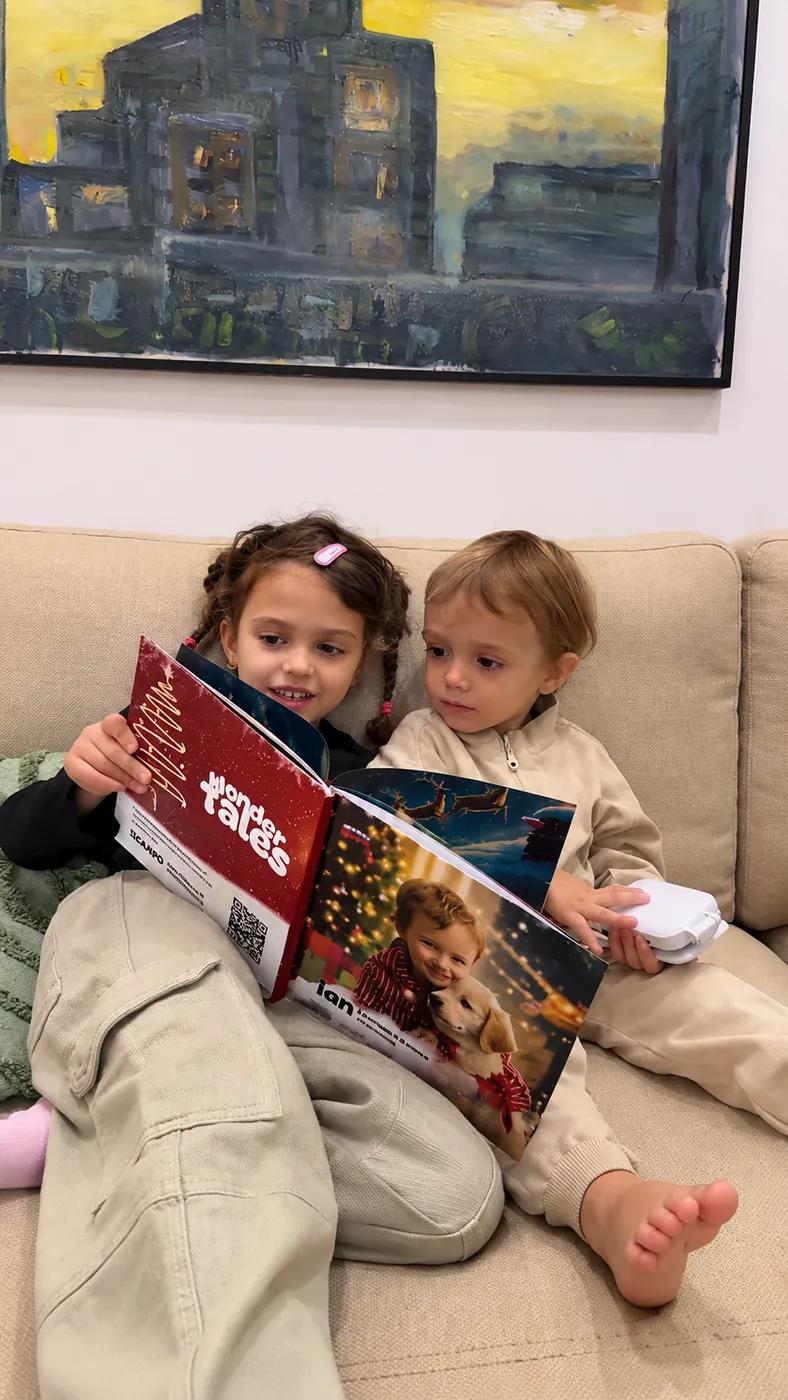
Replace one screen moment a day with a book read together, for example after dinner or at bedtime. Keep books where screens usually are: on the sofa, in the car, next to the bed.
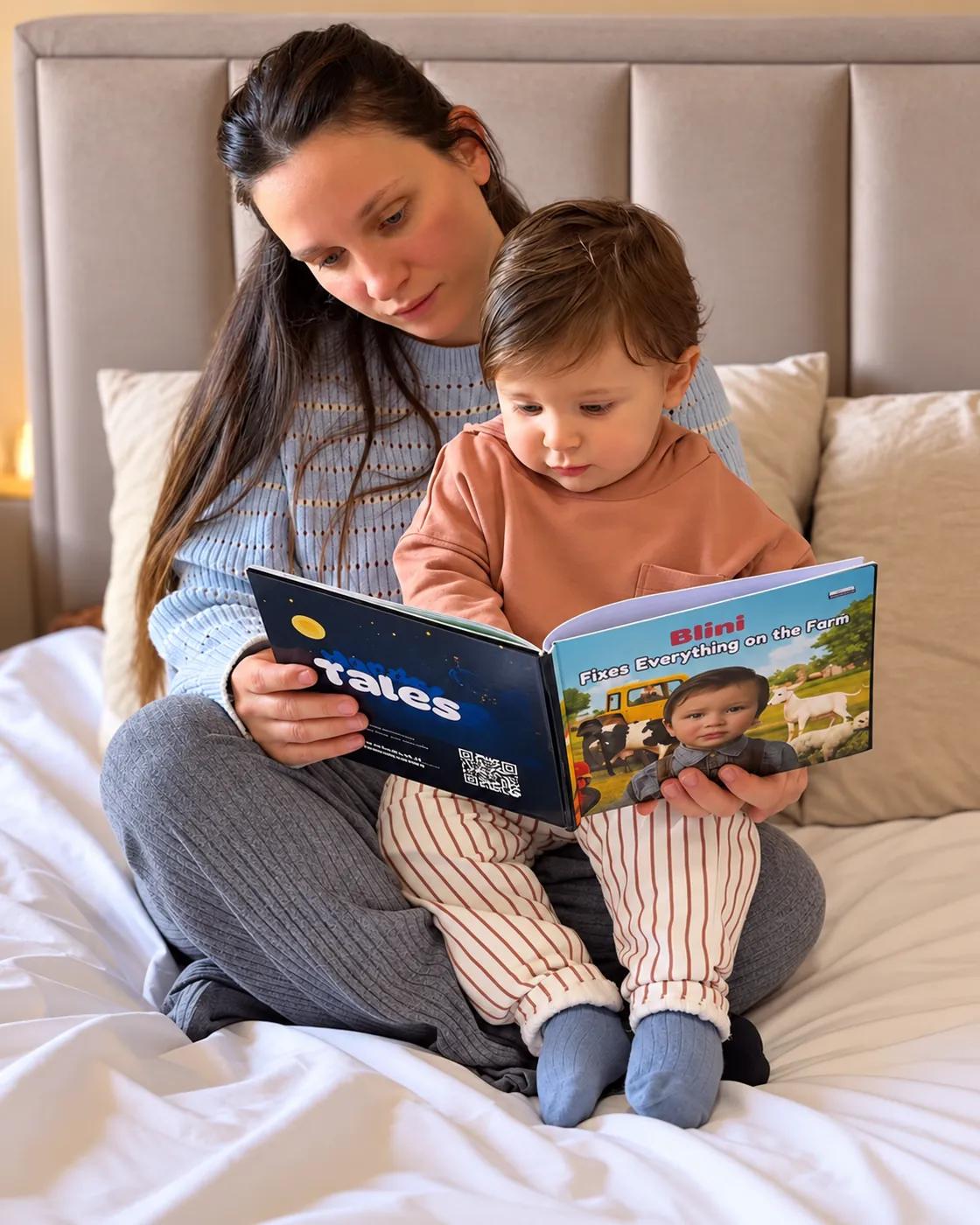
The swap works best when the book is more exciting than the screen. Children ask for stories about the things they love, and most of all for stories about themselves: in a personalized book your child is the hero, drawn from their own photo, with their name in the story.


$49 · Free shipping · VAT included · Premium hardcover book · Free cover preview before you pay
Real books, real families
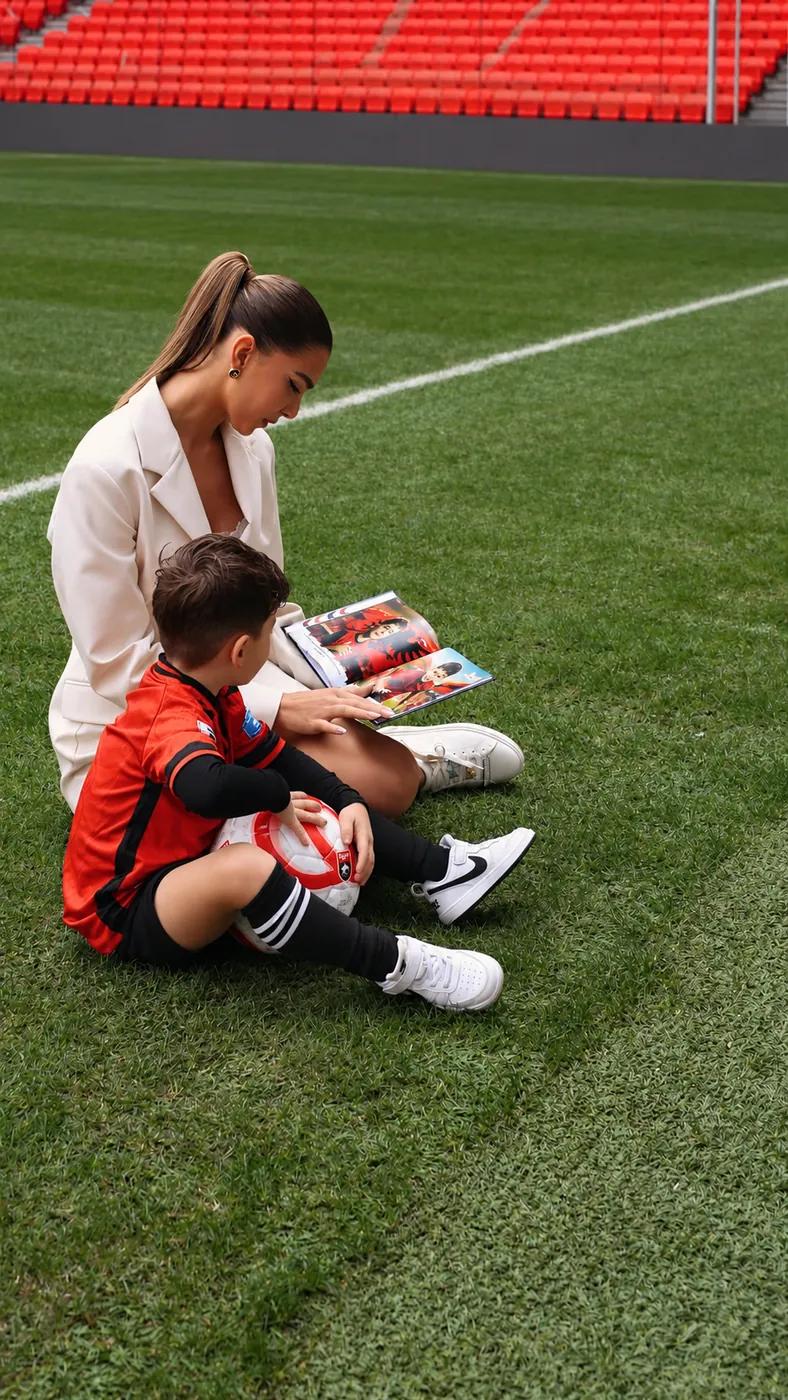
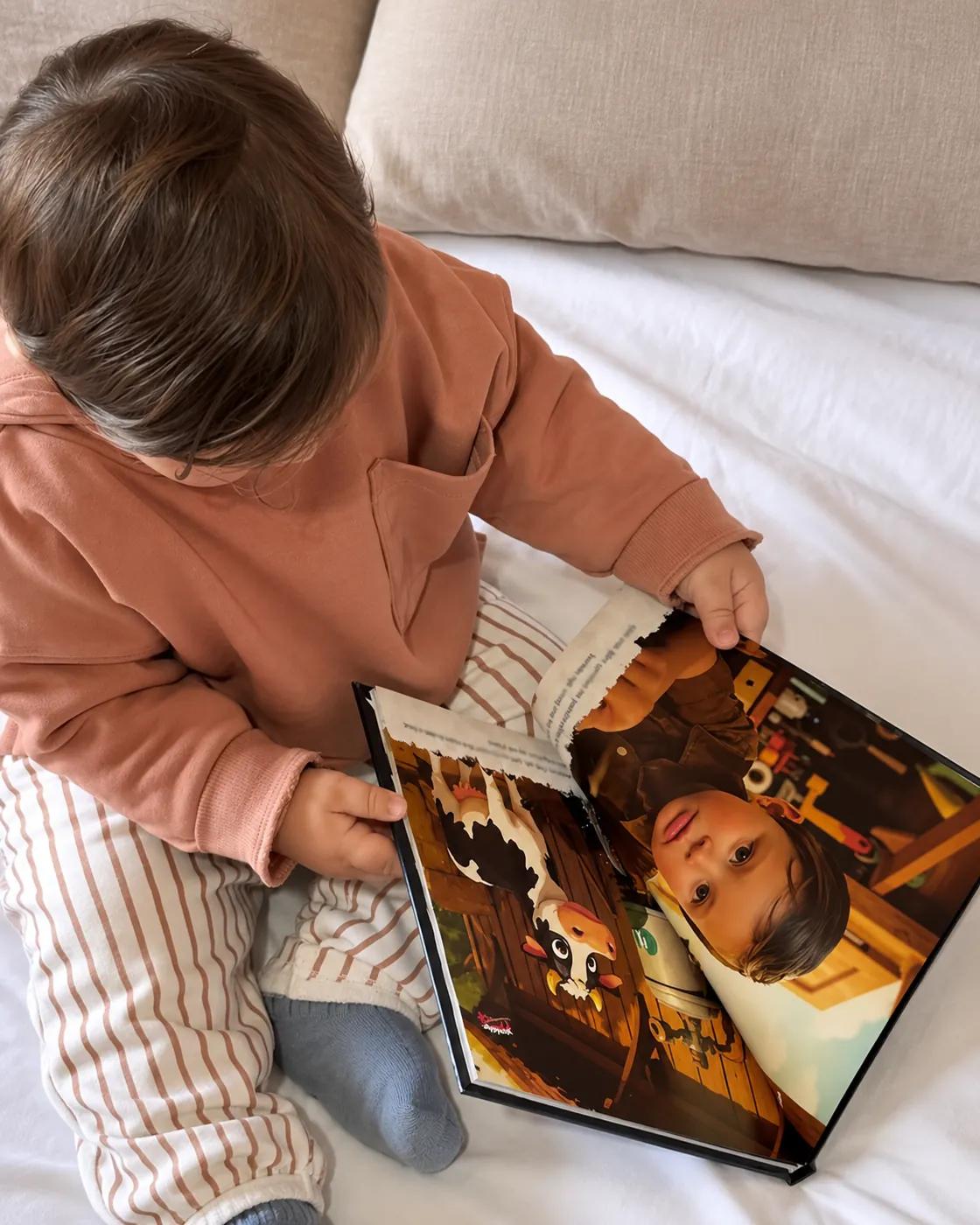
Photos of printed WonderTales books, each one made for one child.
Frequently asked questions
How much screen time is OK for a 2-year-old?
The WHO and the American Academy of Pediatrics advise no more than about one hour a day of high-quality content for children aged 2 to 5, ideally watched together with a parent, and less is better.
Should babies watch any screens?
For babies under 18 months, pediatricians advise avoiding screens apart from video calls with family. The WHO recommends no screen time for children under 2.
Are educational videos fine?
Good-quality children’s content watched together is much better than random videos alone, but it does not replace talking, playing and reading together, which is how young children learn most.
What can replace screen time?
Reading together, outdoor play, building and drawing, music and simple chores. A book about your child’s favorite topic, with your child as the hero, is one of the easiest swaps to start with.
$49 · Free cover preview before you pay